
VideoVIDEO
Featured products
Contact Us
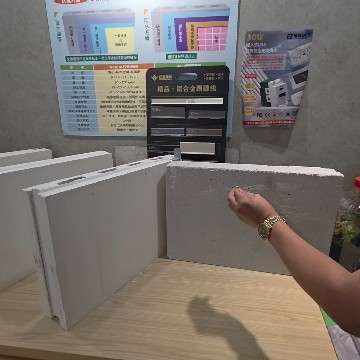
Production and Application of Gypsum Blocks
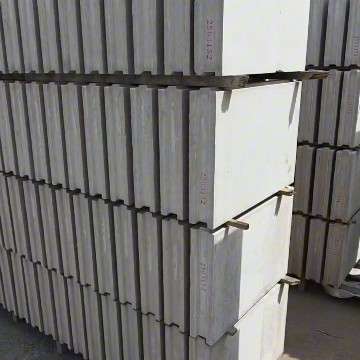
Production and Application of Gypsum Blocks.
· Natural, non-toxic, and harmless: Gypsum blocks are free from volatile harmful substances like formaldehyde and benzene; they exhibit extremely low radioactivity levels, ensuring safety and health during both production and use.
· “Breathable” humidity regulation: The unique porous microcrystalline structure of gypsum provides natural humidity-regulating capabilities, automatically absorbing or releasing moisture based on the environment—earning it the title of “natural air conditioner.”
· 100% Recyclability: Discarded gypsum blocks can be directly crushed and recycled as raw material for new production, aligning with the principles of a sustainable circular economy.
· Energy efficiency and low carbon footprint: The energy consumed in producing gypsum blocks is far lower than that of fired bricks (such as red clay bricks); additionally, low material wastage during construction minimizes the generation of building debris.
· Fire resistance and flame retardancy: Gypsum is inherently non-combustible; when exposed to fire, it releases chemically bound water to absorb heat without producing toxic, dense smoke, thereby enhancing safety.
· Microporous sound-absorbing structure: The interior of the gypsum is densely packed with tiny pores that effectively absorb and attenuate sound wave energy.
· High surface density for sound blocking: Gypsum blocks possess sufficient mass to effectively block airborne sound transmission.
· Superior performance with double-layer composite systems: Utilizing a composite wall structure—such as “gypsum block + air gap/rock wool + gypsum block”—allows sound insulation levels to easily exceed 50 decibels (dB).
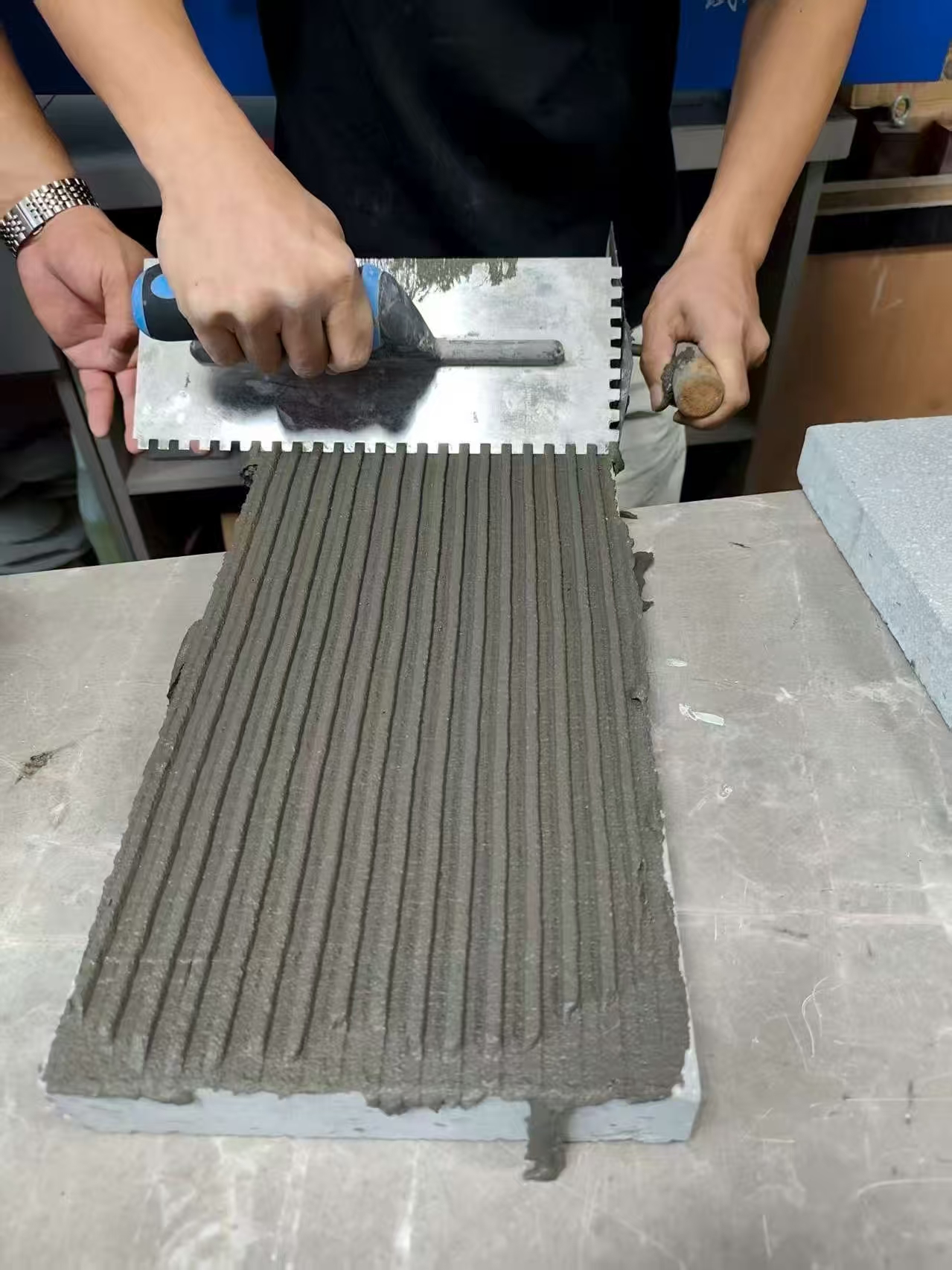
· Seamless, tight assembly: A tongue-and-groove interlocking system combined with specialized adhesive ensures a seamless wall, completely eliminating sound leakage through gaps.