
Technical CenterTECHNICAL-CENTER
Featured products
Contact Us
The Impact of Powder Defoamer on the Performance of Gypsum Self-Leveling Mortar
2026-07-17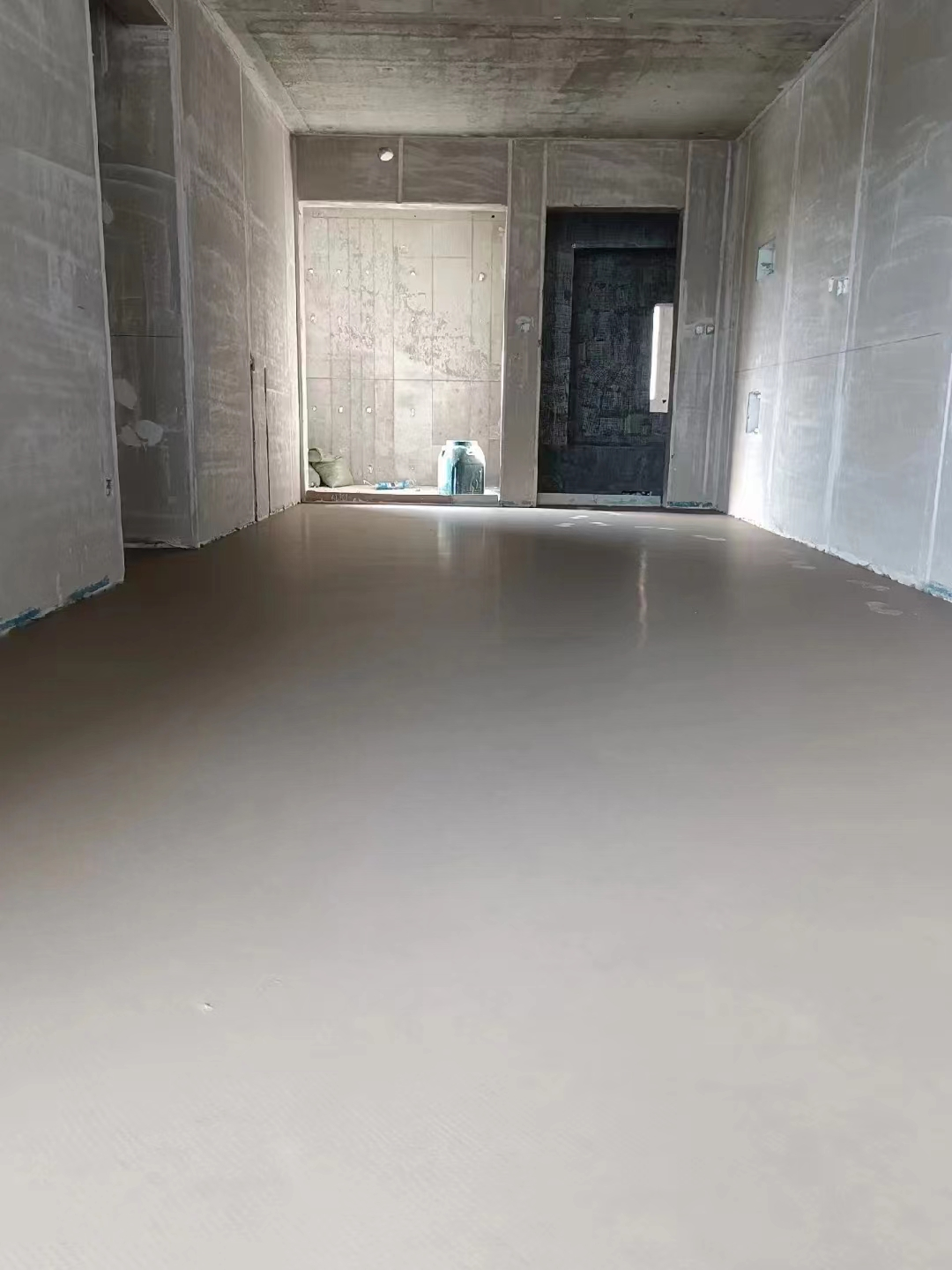 Why Powder Defoamer Is Essential in Gypsum Self-Leveling Mortar
In modern gypsum self-leveling mortar, achieving a smooth surface, excellent flowability, and high mechanical strength requires more than high-quality gypsum and additives. During mixing, air is inevitably entrapped, creating bubbles that lead to pinholes, surface defects, reduced density, and lower compressive strength.
A high-performance powder defoamer for dry mix mortar effectively eliminates these harmful bubbles, ensuring superior construction performance and long-term durability.
How Does a Powder Defoamer Work?
A dry powder defoamer is a specialized construction chemical that functions as both a defoaming agent and an antifoaming agent.
1. Rapid Defoaming
The defoamer quickly spreads across the bubble film, reduces local surface tension, and causes the bubble wall to rupture. This process rapidly removes large air bubbles introduced during mixing, pumping, or mechanical agitation.
Benefits include:
- Elimination of pinholes
- Smoother finished surface
- Improved leveling performance
- Reduced surface defects
2. Long-Term Antifoaming
After eliminating existing bubbles, the powder antifoam agent remains uniformly dispersed throughout the mortar system.
It continuously suppresses the formation of new harmful bubbles during:
- Mixing
- Pumping
- Pouring
- Self-leveling application
Meanwhile, it preserves an appropriate amount of beneficial microscopic closed bubbles that contribute to durability.
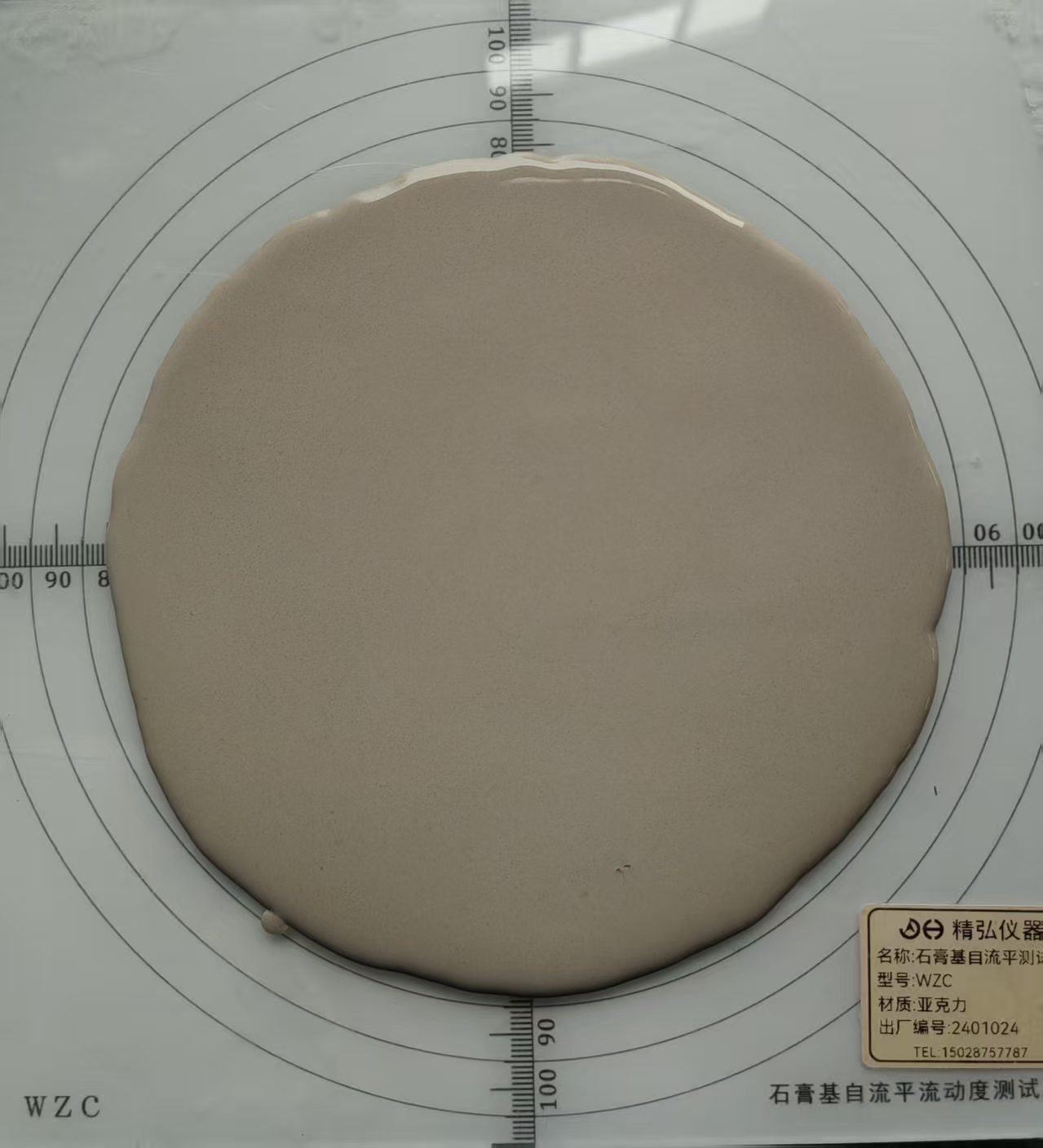 Effects of Powder Defoamer on Gypsum Self-Leveling Mortar Performance
A properly selected powder defoamer for gypsum mortar significantly improves multiple performance indicators.
1. Better Surface Quality
The defoamer removes large unstable bubbles responsible for:
- Pinholes
- Blowholes
- Surface craters
- Honeycomb texture
- Rough finishes
The cured self-leveling floor becomes smoother, denser, and more visually appealing.
2. Improved Flowability
Reducing excessive air content lowers internal resistance, allowing the mortar to spread more evenly.
Benefits include:
- Faster self-leveling
- Better workability
- Easier pumping
- Improved construction efficiency
3. Higher Wet Density
Air occupies volume inside fresh mortar.
By eliminating unnecessary bubbles, the dry mix mortar defoamer increases wet density, producing a denser hardened structure.
4. Increased Mechanical Strength
Lower air content directly increases:
- Compressive strength
- Flexural strength
- Bond strength
- Abrasion resistance
A dense microstructure also contributes to longer service life.
5. Improved Water Resistance
Excessive pores create pathways for moisture penetration.
A high-quality construction defoamer minimizes interconnected pores, reducing water absorption and improving moisture resistance.
6. Enhanced Durability
An optimized bubble structure improves:
- Freeze-thaw resistance
- Shrinkage resistance
- Wear resistance
- Long-term dimensional stability
The goal is not to eliminate all bubbles, but to remove unstable large bubbles while retaining uniformly distributed microscopic closed pores.
Recommended Dosage
The recommended dosage of powder defoamer for dry mix mortar generally ranges from 0.20% to 0.50% of the dry formulation.
Practical recommendations:
- Start at 0.20%
- Increase gradually according to formulation performance
- Most gypsum self-leveling formulations achieve optimal performance around 0.50%
The ideal dosage should always be verified through laboratory testing because compatibility varies among different formulations.
Compatibility with Other Dry Mix Mortar Additives
The performance of a powder defoamer depends greatly on its compatibility with other mortar additives, including:
- Hydroxypropyl Methyl Cellulose (HPMC)
- Redispersible Polymer Powder (RDP)
- Polycarboxylate Superplasticizer (PCE)
- Gypsum Retarder
- Starch Ether
Different combinations can significantly affect:
- Air content
- Flowability
- Open time
- Mechanical strength
- Surface finish
Selecting a compatible defoamer is therefore critical for maximizing overall mortar performance.
Why Choose High-Quality Powder Defoamers?
Many powder defoamers available for dry mix mortar are imported composite formulations. However, different grades exhibit varying compatibility with specific mortar systems.
A premium powder defoamer for gypsum self-leveling mortar provides:
- Fast bubble elimination
- Long-lasting antifoaming performance
- Excellent compatibility with HPMC and PCE
- Improved workability
- Higher compressive and flexural strength
- Superior surface appearance
- Reduced material defects
- Greater production consistency
Conclusion
A powder defoamer is a key additive in gypsum self-leveling mortar, directly influencing workability, appearance, density, and mechanical performance. By effectively eliminating unstable air bubbles while maintaining an optimal microbubble structure, it helps produce smoother surfaces, higher compressive strength, improved durability, and superior construction efficiency.
For manufacturers of dry mix mortar, tile adhesive, wall putty, and gypsum-based building materials, selecting a compatible, high-performance powder defoamer is an essential step toward producing premium construction materials that meet modern building standards.